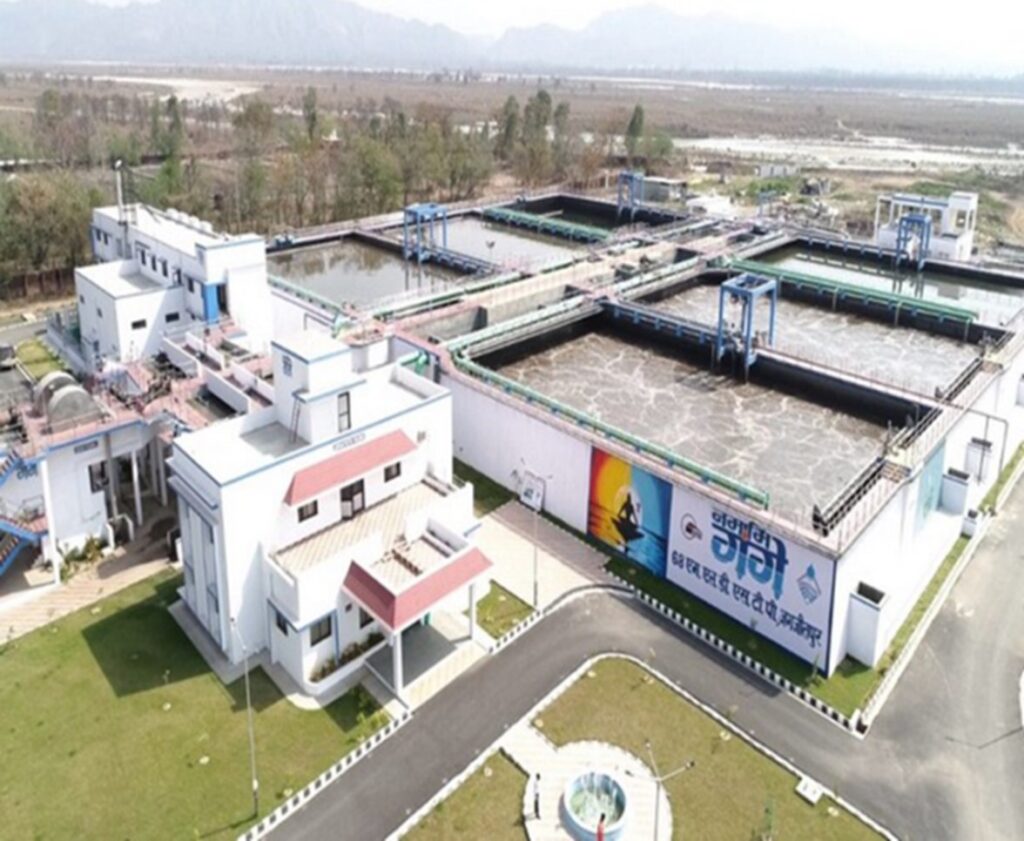
Swami Rama Himalayan University (SRHU) has been entrusted with conducting the Environmental and Social Audit of STPs and I&D projects under the Namami Gange Programme in nine locations across Haridwar, Tehri, Dehradun, and Nainital Districts. This initiative, sanctioned by the State Mission for Clean Ganga (SMCG), Government of Uttarakhand, aims to determine the environmental and social acceptability of these interventions while evaluating their impact on the local population and the river ecosystem.
The Ganga River, a lifeline for millions, is not just a waterway but a cultural and ecological cornerstone of India. Supporting 43% of the nation’s population and spanning 26% of its land, the Ganga River Basin is vital for water resources, biodiversity, and livelihoods. However, industrialization, population growth, and inadequate waste management have severely polluted this sacred river. To address this, the Government of India launched the Namami Gange Programme (NGP) in 2014, a flagship initiative to restore the river’s health, improve water quality, and promote sustainable development. A key component of this effort involves the establishment of Sewage Treatment Plants (STPs) and Interception & Diversion (I&D) works to manage wastewater and reduce pollution.
The primary objective of this Audit is to assess how these projects have influenced community living standards, health, sanitation, and hygiene. Additionally, it evaluates their impact on water quality, air quality, noise levels, and aquatic ecosystems. Ensuring that STPs adhere to sustainable design and operational standards is crucial for minimizing environmental risks and maximizing social benefits. Furthermore, identifying best practices and areas for improvement in environmental and social management is essential for long-term sustainability.
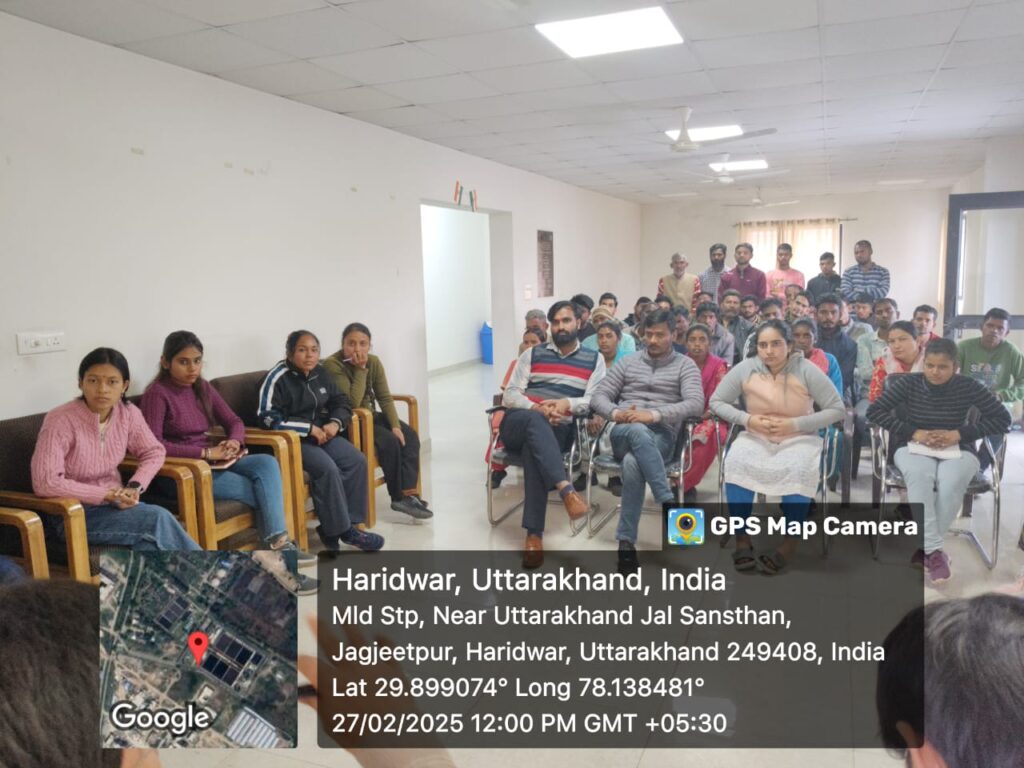
The audit follows a Structured Methodology, incorporating data collection, stakeholder consultations, and field assessments. During the preparation phase, checklists are developed for environmental and social evaluation, aligned with the Environmental and Social Management Framework (ESMF), CPCB guidelines, and national standards. Stakeholder consultations with local communities, workers, and Panchayat members provide valuable insights into the project’s impact and challenges.
Audit Findings: Achievements and Challenges
Social Audit: Community Voices
The social audit highlights strong community support for the Namami Gange Plan (NGP), with 90% of residents willing to connect to sewer systems, though many still rely on septic tanks or open drains due to limited connectivity. Communities, except at few STPs, express a positive attitude but demand reliable sewage treatment plant (STP) operations, greater transparency, and regular updates. Key social challenges include poor community engagement due to limited awareness of STP functions and benefits, compounded by the absence of grievance redressal mechanisms. Open sludge dumping at sites causes foul odors, mosquito breeding, and community discomfort, with limited partnerships for sludge reuse or composting. The absence of Arth Ganga components, which promote livelihoods through wastewater reuse, represents a missed opportunity to align environmental and socio-economic goals.
Environmental Audit: Ecological Impact
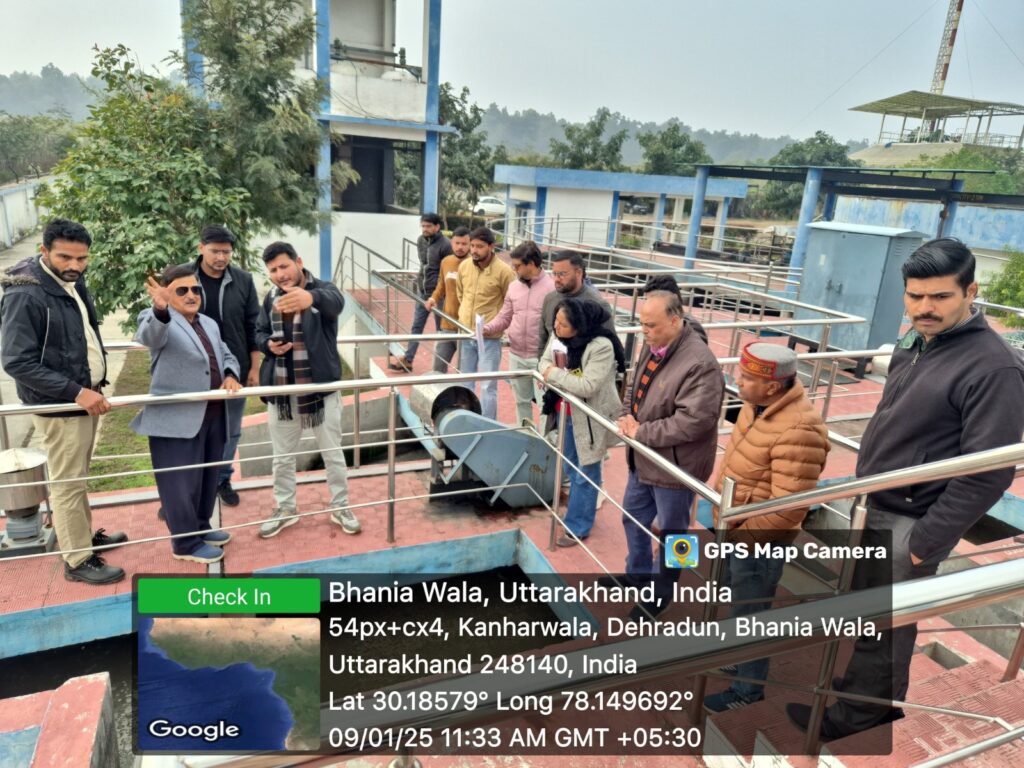
The environmental audit reveals that while STPs have reduced pollution, significant challenges persist. Many STPs operate below or above design capacity, resulting in untreated wastewater discharges into river, where a non-functional interception and diversion structure allows untreated flow into the river. All STPs conduct Water quality tests frequently. Almost all STPs maintain comprehensive records. Noise and Air quality monitoring system needs to be created. Sludge and septage management are a critical issue, and needs to be handled properly. Treated water reuse remains minimal, and infrastructure for non-potable applications like irrigation is underutilized, further limiting environmental benefits.
Recommendations & Way forward: A Roadmap for Success
To advance the Namami Gange Programme, enhance community engagement with awareness campaigns and develop a transparent grievance system. Strengthen STP operations through staff training, qualified hiring, and digitized records for water flow and environmental monitoring. Upgrade infrastructure to connect unsewered areas and install automated interception structures. Ensure environmental compliance with regular water, air, and noise tests, groundwater monitoring, and air quality stations. Promote a circular economy by reusing treated water and sludge, supporting Arth Ganga’s livelihood goals. Implement safety measures, including disaster plans, quarterly drills, and PPE. Adopt solar energy and biogas recovery and conduct annual third-party audits to ensure alignment with environmental standards, paving the way for a cleaner, healthier Ganga.
The mission is not just about laying pipelines and building STPs – it’s about ensuring that every drop of sewer water is treated efficiently, reused where possible, and every bit of waste is responsibly handled. The Ganga is more than a river; it is a living entity tied to the social, cultural, and economic fabric of millions. Join us in this journey to restore the Ganga’s glory.
For more details on our research or to collaborate on environmental initiatives, contact WATSAN Department, RDI-SRHU