Anaemia in pregnancy is not just a clinical condition—it’s a silent struggle etched into the everyday lives of countless women across Uttarakhand. Behind the statistics are real stories: of young mothers who faint while working in fields, of women who deliver premature babies, and of families gripped with anxiety due to repeated pregnancy complications. According to the NFHS-5, 46.5% of pregnant women in Uttarakhand are anaemic—a condition defined by haemoglobin levels below 11 g/dl. In many rural blocks, especially in Haridwar and Dehradun, anaemia accounts for nearly 60–70% of all high-risk pregnancies (HRPs), making it the most common, yet most preventable, cause of maternal vulnerability.
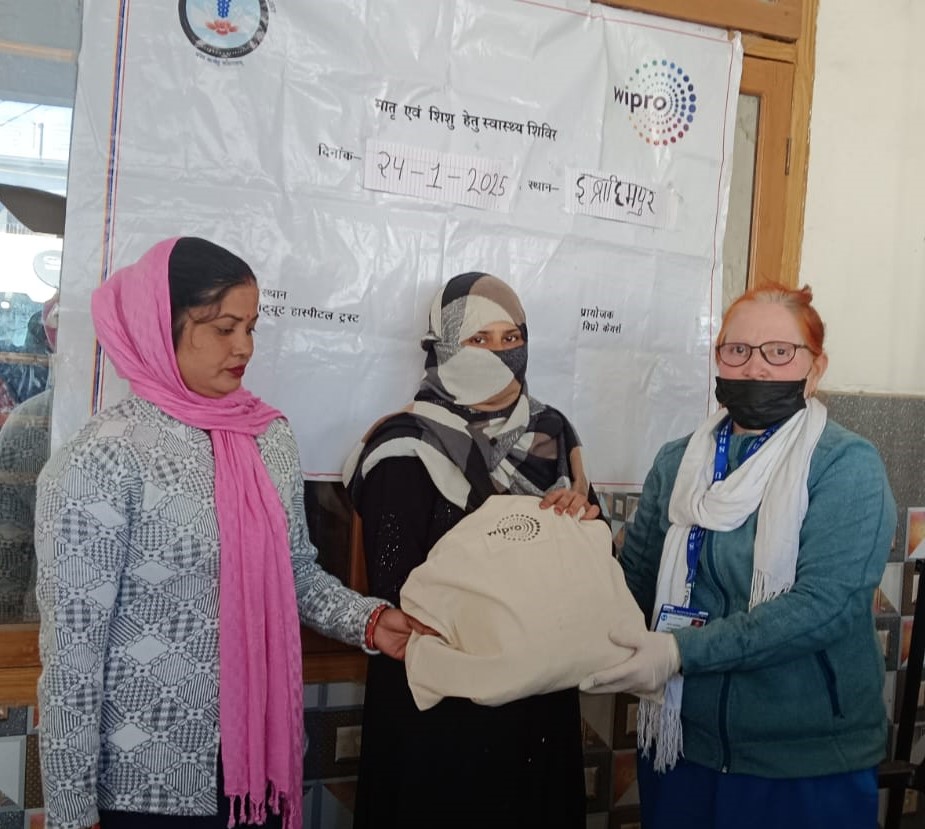
Rural Development Institute (RDI) launched a nutrition-centered HRP management program three years ago in these districts grounded in the belief that every mother deserves nourishment, dignity, and care during pregnancy. The program identifies and tracks women with moderate (Hb: 7.0–9.9 g/dl) and severe anaemia (Hb <7.0 g/dl), providing them with not just medicines, but monthly nutrition kits packed with culturally acceptable, locally sourced, and nutrient-rich foods. These kits are more than a package—they are a promise. Each kit contains ghee, suzi, daliya, besan, sattu powder, ajwain, iodized salt, gud, roasted chana, and pulses like moong and masoor dal, providing a critical mix of iron, folate, protein, energy, and essential minerals.
This intervention is rooted in a deep understanding of the nutritional realities faced by rural women. Though iron-folic acid (IFA) tablets are provided through government programs like Anaemia Mukt Bharat, their efficacy is compromised if the woman’s overall caloric and protein intake remains insufficient. As per ICMR-NIN guidelines, a pregnant woman needs 350 extra kilocalories and 23 grams of protein daily in her second and third trimesters. Many women, however, live in households that prioritize family food needs over maternal nutrition. Some even hesitate to consume ghee or pulses due to cultural taboos or poverty. The RDI kit addresses this gap, bringing nutrition to the doorstep, and often to the heart of the family’s food habits.
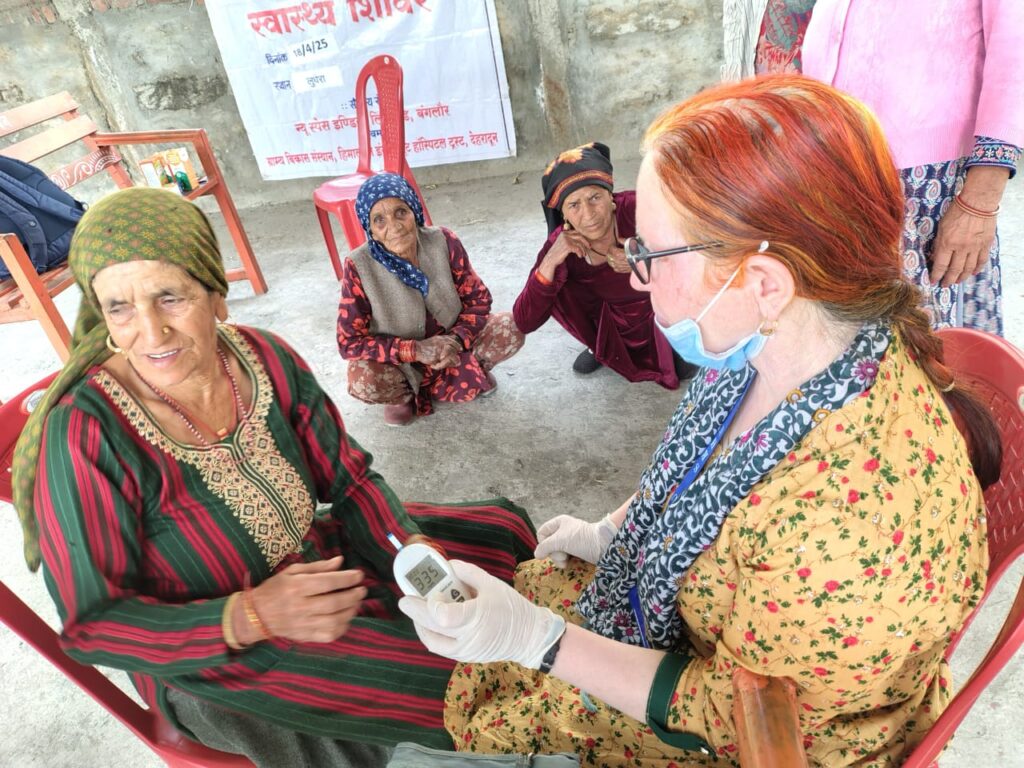
What sets this program apart is its human-centered, target-oriented approach. Once a woman is identified as an HRP due to anaemia, her progress is tracked month-by-month. The team follow up with care and empathy—checking haemoglobin levels, monitoring dietary intake, encouraging compliance with supplements, and even guiding family members. The workers are not just service providers; they are companions in care, often the first to notice warning signs and ensure timely referral to health facilities. The impact is tangible. Many women who once reported breathlessness or fatigue during routine tasks now report improved energy levels, better sleep, and hope. More than 60% of anaemic women enrolled in the program have crossed the 10.5 g/dl mark by their third trimester, and there is a noted increase in institutional deliveries and healthy birth weights. Beyond numbers, it’s the restored confidence of a mother, the relief in a father’s eyes, and the joy of a healthy newborn’s first cry that define the program’s success. RDI’s work in rural Uttarakhand is not just a health intervention—it is a movement rooted in compassion and evidence.