Strengthening frontline healthcare is not achieved through a single training session—it is a continuous journey of learning, practice and confidence-building. This commitment is at the heart of the SBIF Jivanam Project, a collaborative initiative of SBI Foundation, the State Health Department and Himalayan Institute Hospital Trust (HIHT), which is working to strengthen the competencies of Auxiliary Nurse Midwives (ANMs) across Uttarakhand.
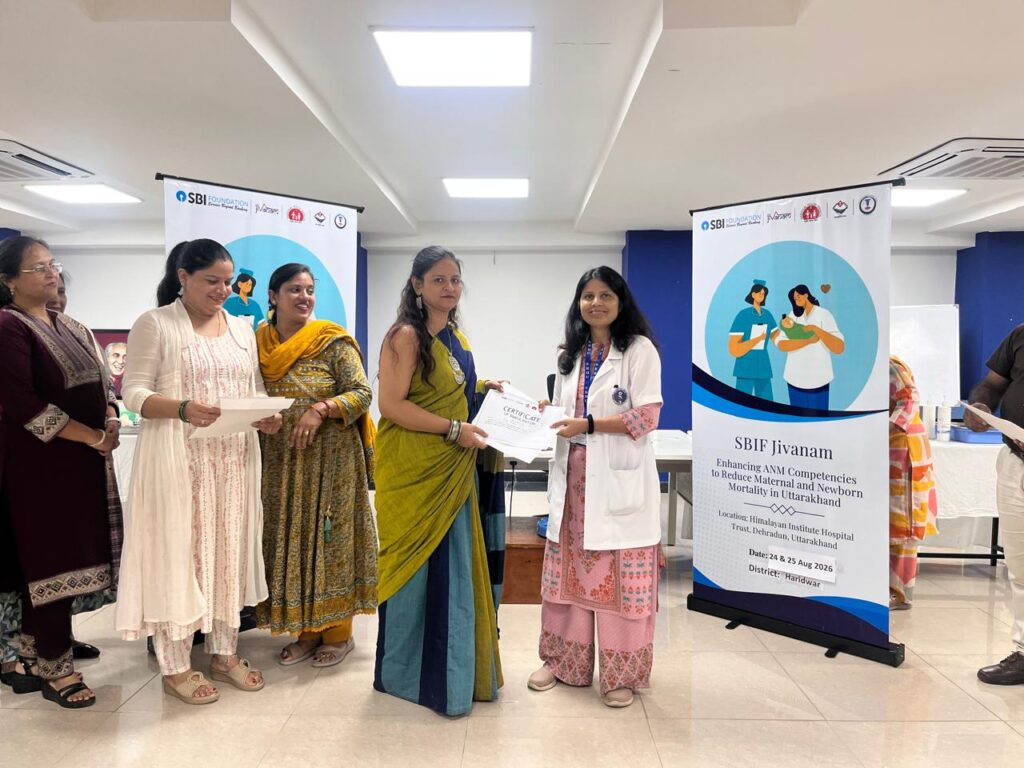
The project aims to train more than 2,000 ANMs across Uttarakhand over a period of two years, creating a sustained platform for strengthening maternal and newborn healthcare at the frontline. Since the programme began in August 2026, seven batches have been completed, covering ANMs from Haridwar and Dehradun districts. So far, 264 ANMs have undergone training—161 from Haridwar and 103 from Dehradun.
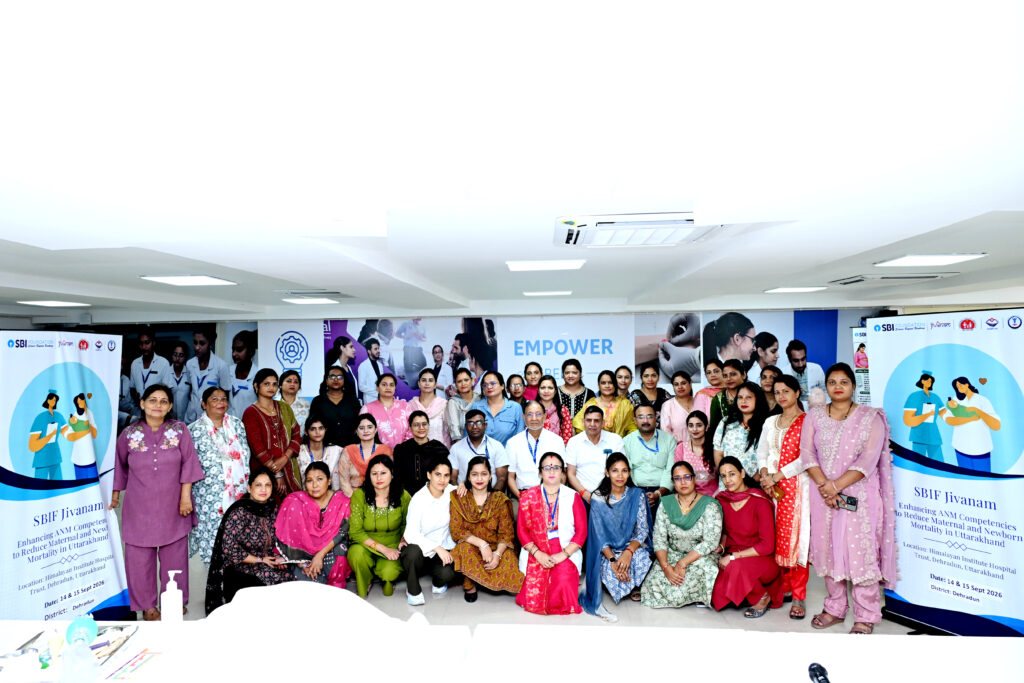
The completion of the seventh batch, held for Dehradun district on 14–15 September 2026, marked another milestone in this ongoing journey. The programme began with the first batch of ANMs from Haridwar district on 13 August, followed by three additional batches during August. The initiative then expanded to Dehradun, where three batches were completed between 7 and 15 September.
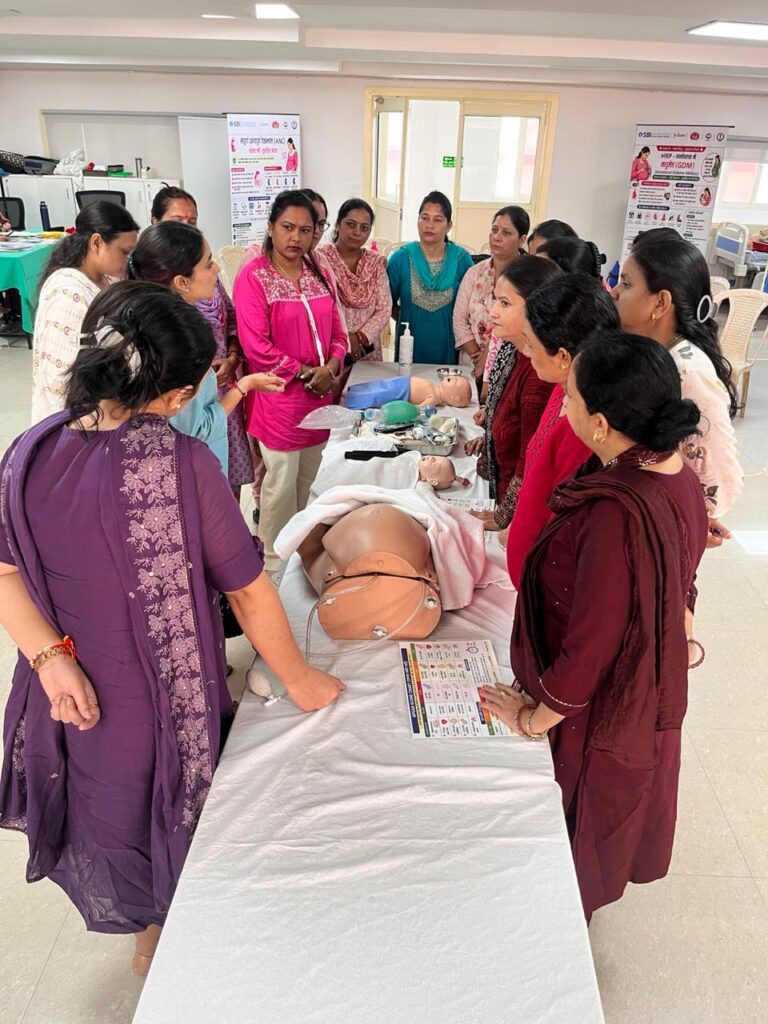
Across these seven batches, the focus has remained consistent: strengthening practical competencies, improving confidence and equipping frontline health workers to respond effectively to maternal and newborn health challenges. Unlike conventional classroom-based training, the SBIF Jivanam programme emphasizes simulation-based and experiential learning. ANMs participate in hands-on demonstrations, clinical scenarios, role plays, case presentations, group discussions and simulation exercises. These methods provide participants with opportunities to practise essential skills in a safe learning environment before applying them in real-life situations.
Maternal and newborn emergencies often require quick recognition, sound clinical judgement and timely action. The training therefore focuses on essential life-saving skills and the effective management of critical situations. Participants also discuss field experiences, learn from one another and reflect on challenges encountered in their communities. This combination of practical learning and peer interaction makes the training relevant to the realities of frontline healthcare delivery.
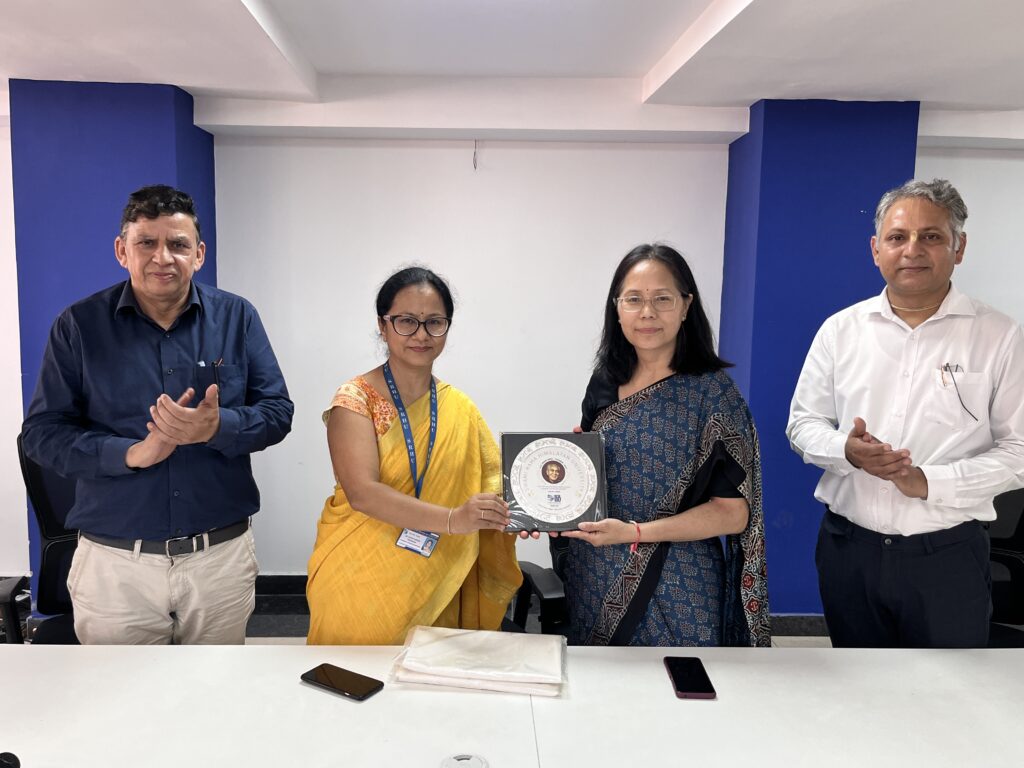
The training has also benefited from the involvement of senior health and academic professionals from the State Health Department, SRHU, Himalayan Hospital and RDI, who interacted with participants, shared practical insights and encouraged them to apply their learning in their respective communities. Their engagement reinforced the importance of continuous professional development for frontline health workers.
For the ANMs, the experience has been more than acquiring technical skills. It has provided an opportunity to practise procedures repeatedly, ask questions without hesitation, learn from peers and build confidence in responding to critical maternal and newborn situations. Their participation and feedback have also highlighted the value of simulation as a bridge between theoretical knowledge and field practice.
The completion of seven batches represents meaningful progress, while also signalling the scale of the work ahead. With more than 2,000 ANMs targeted for training across Uttarakhand over two years, the 264 ANMs trained so far represent an important beginning in a larger effort to strengthen the state’s frontline health workforce. Ultimately, the impact of the programme will be seen beyond the training room—when an ANM identifies a high-risk pregnancy early, responds confidently to an emergency, provides appropriate newborn care or ensures a timely referral. Every strengthened skill can contribute to safer pregnancy and childbirth and better health outcomes for mothers and newborns.
The journey has begun, and seven completed batches are an important milestone. As the SBIF Jivanam Project moves forward, each new batch will add to a growing network of trained, confident and better-prepared ANMs working at the heart of community healthcare across Uttarakhand.