Every day, across the hills and villages of Uttarakhand, rural women work tirelessly to nurture their families, cultivate fields, conserve natural resources, and strengthen their communities. Recognising their invaluable contributions, the Rural Development Institute, Himalayan Institute Hospital Trust, celebrated the International Day of Rural Women on 15 October 2026 in its field areas of Dehradun and Haridwar. The theme, “Rural Women Farmers Caring for Mother Nature,” highlighted the essential role of women in sustainable agriculture, environmental conservation, biodiversity protection, and rural development.
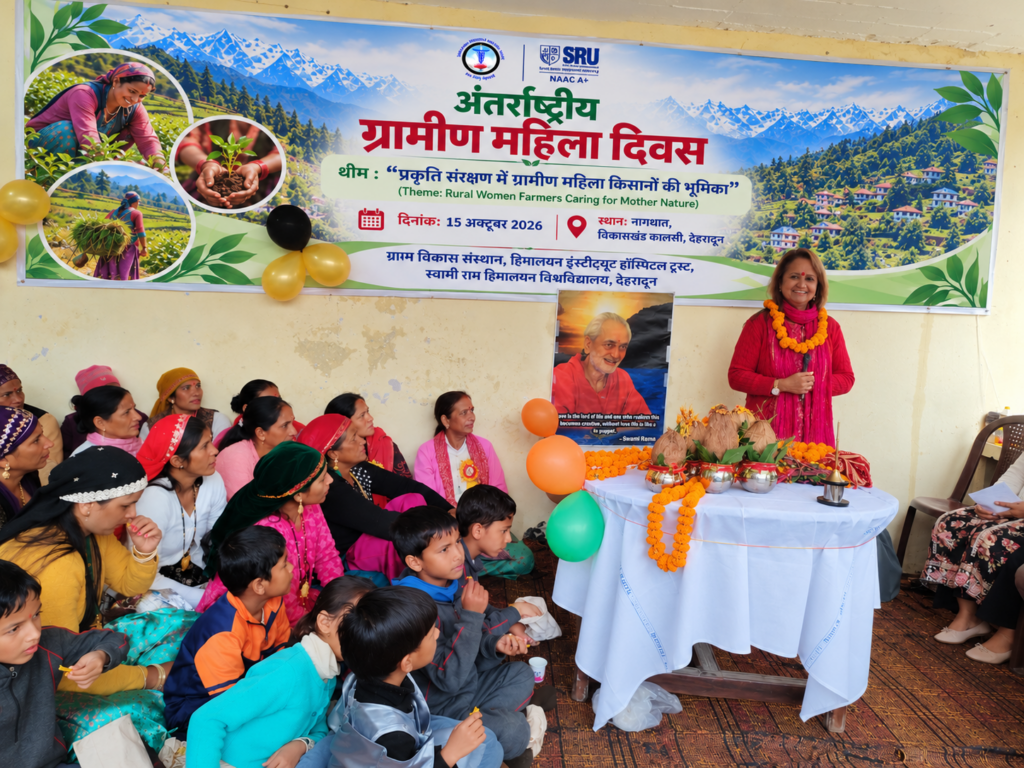
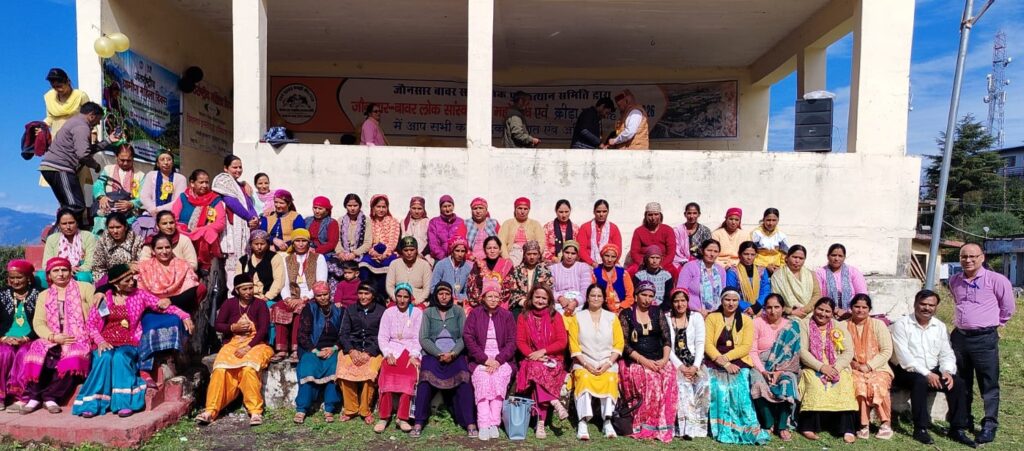
The celebration at Nagthat in Kalsi block of Dehradun district brought together rural women, community representatives, and frontline workers to recognise women’s contributions and leadership. Dr. Preeti Kothiyal, Dean, School of Pharmaceutical Sciences, Swami Rama Himalayan University, attended the programme as the Chief Guest. Congratulating the women, she observed that women in Uttarakhand exemplify strength, resilience, and determination. Referring to Gaura Devi’s contribution to the Chipko Movement, she highlighted the pivotal role women have played in protecting forests and conserving nature. She emphasised the importance of recognising women’s capabilities and respecting their growing role in families and society.
Ms. Meera Rathor, Senior Deputy Block Chief, Nagthat, appreciated the contributions of rural women in sustaining village life and promoting community welfare. She highlighted the vital roles of ASHA workers, Anganwadi workers, and women associated with self-help groups in strengthening healthcare, improving nutrition, and supporting community development. She emphasised that women’s active participation is essential for the overall progress and prosperity of rural communities.
Addressing the gathering, Ms. Neelam Pandey, Manager, RDI, encouraged women to understand their rights and access the opportunities and benefits available through various government schemes. She explained the importance of awareness regarding eligibility criteria and application procedures to ensure that women can benefit from these initiatives. She also highlighted their role in preserving traditional seeds, protecting local biodiversity, and passing indigenous agricultural knowledge to future generations. In Uttarakhand’s hill regions, this traditional knowledge is particularly valuable for promoting sustainable farming and responsible natural resource management.
Mr. Gajendra Singh, Sayana of the region, appreciated women’s contributions to strengthening families and society. He emphasised that empowering women benefits entire communities and underlined the importance of their participation in local decision-making and rural development initiatives.
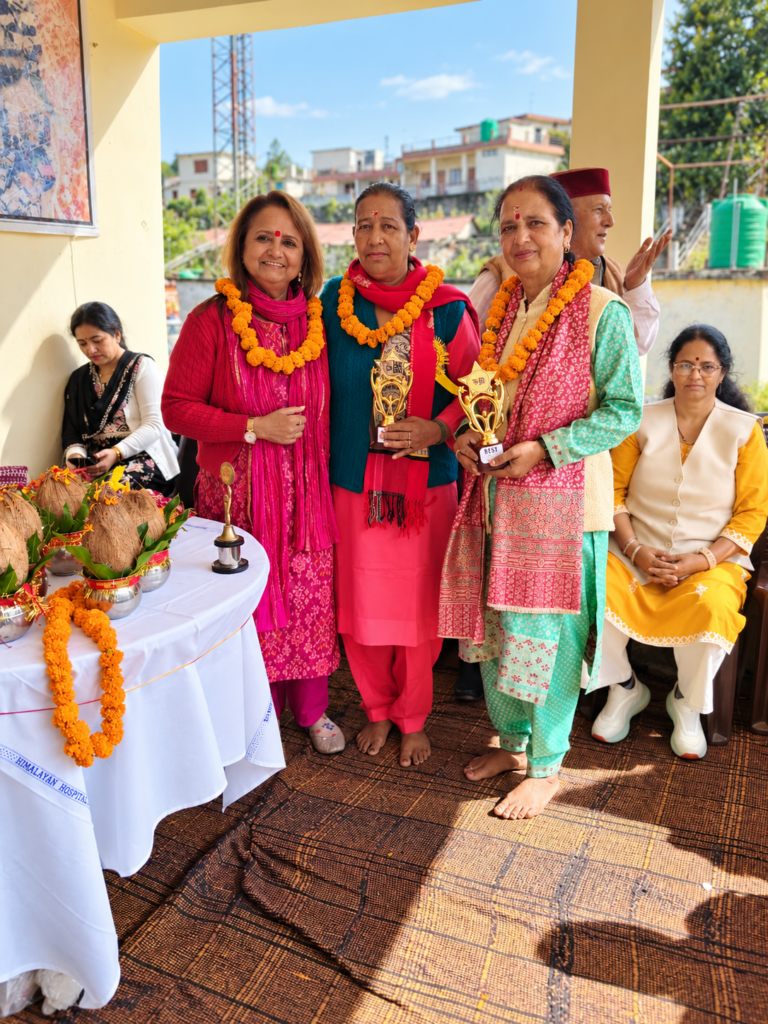
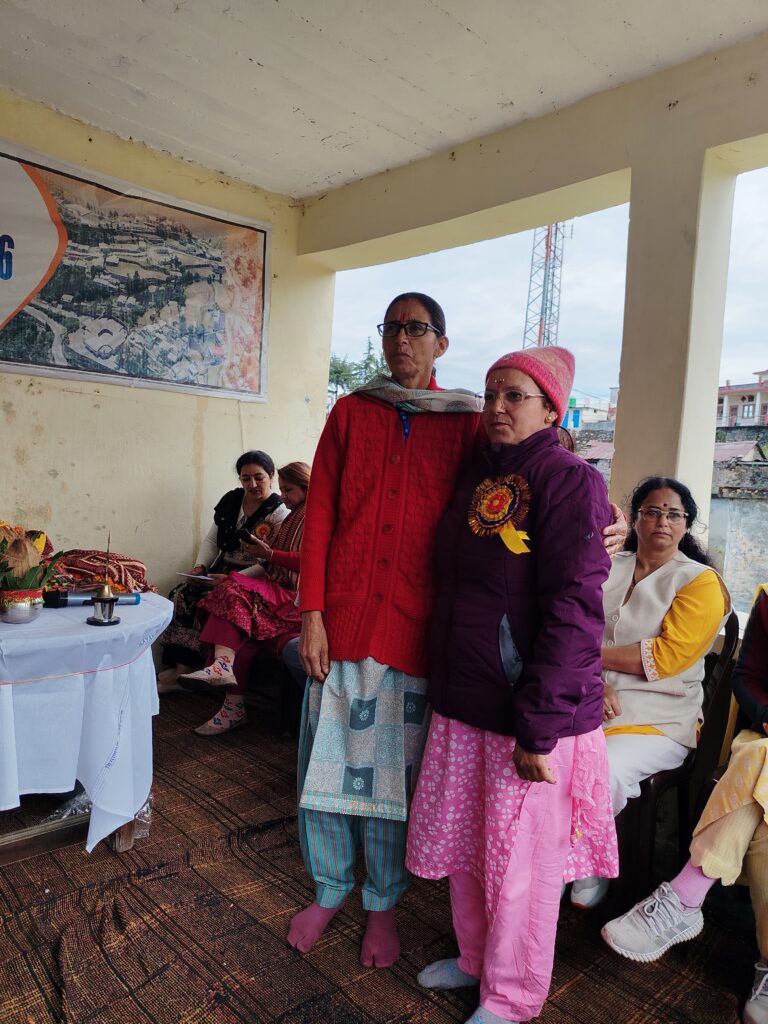
A major highlight of the programme was the felicitation of women who have made significant contributions to community welfare. ASHA workers, Anganwadi workers, teachers, village heads, and elderly women supporting poor and marginalised families were honoured for their dedicated services. The recognition acknowledged their invaluable contributions to healthcare, education, social welfare, and community development, celebrating the countless acts of care, compassion, and leadership that often go unnoticed. The programme concluded with a traditional group dance, reflecting the region’s rich cultural heritage and the spirit of unity among participants.
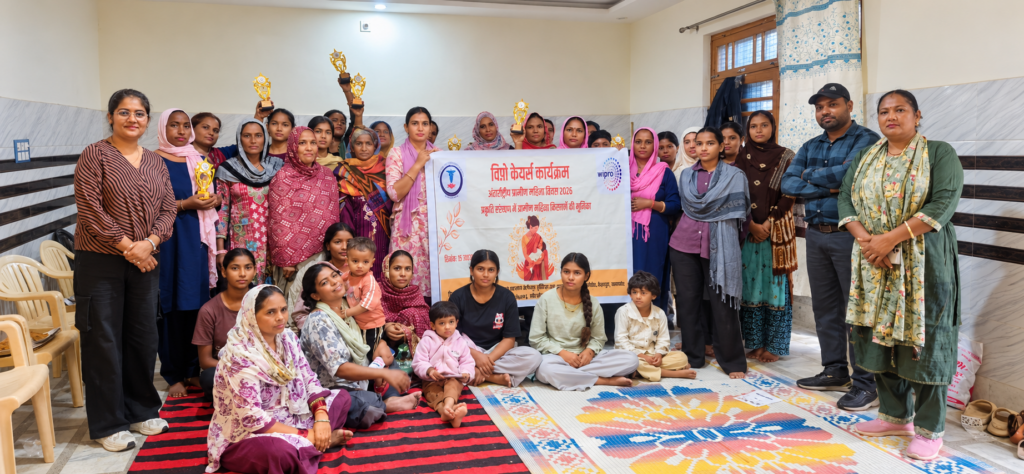
In Haridwar district, ASHA and Anganwadi workers were felicitated for their outstanding contributions to women’s and children’s health and well-being. These frontline workers play a crucial role in promoting maternal and child health, supporting immunisation, raising awareness about nutrition and hygiene, and connecting families with essential healthcare services. Community representatives and other stakeholders participated in the programme and appreciated their commitment to improving health outcomes and supporting vulnerable families in rural communities.
The celebrations reaffirmed that rural women are not only caregivers and farmers but also environmental stewards, custodians of traditional knowledge, and agents of social change. Ensuring their access to resources, healthcare, education, economic opportunities, and decision-making is essential for inclusive rural development. By recognising their contributions and strengthening their leadership, organization reaffirmed its commitment to empowering rural women and building healthier, more resilient communities for a sustainable future.