SANKALP Initiative Strengthens High-Risk Pregnancy Detection, Management and Resolution in Haridwar Digital tracking, community-based identification and coordinated follow-up are helping ensure safer pregnancies and better maternal and newborn outcomes.
A high-risk pregnancy (HRP) does not necessarily lead to maternal or newborn complications. Rather, its early identification provides an opportunity for timely intervention, appropriate referral and effective clinical management. The SANKALP Initiative in Haridwar district, Uttarakhand, is strengthening this approach by establishing a systematic mechanism for the identification, management and resolution of high-risk pregnancies through coordinated efforts at community and health-facility levels.
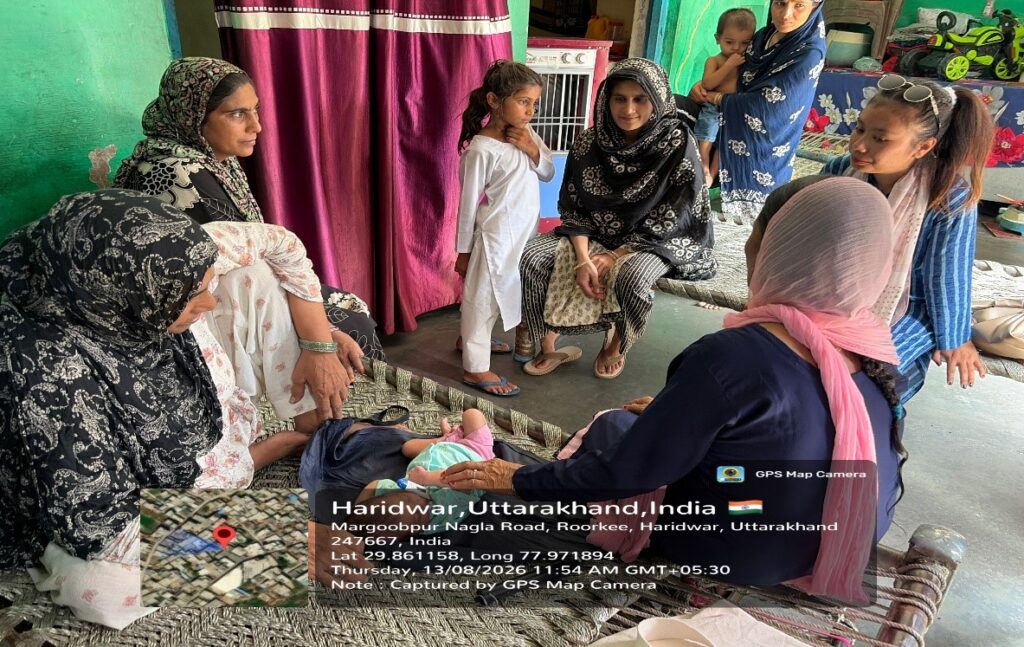
During the July–November reporting period, a total of 566 high-risk pregnancies were identified through ASHAs, ASHA facilitators, sub-centres and health facilities. Programme data indicate that approximately 30% of these women had one identified risk factor, 46% had two, while 34% were reported to have multiple risk factors. This highlights the importance of comprehensive risk assessment and individualised care throughout pregnancy.
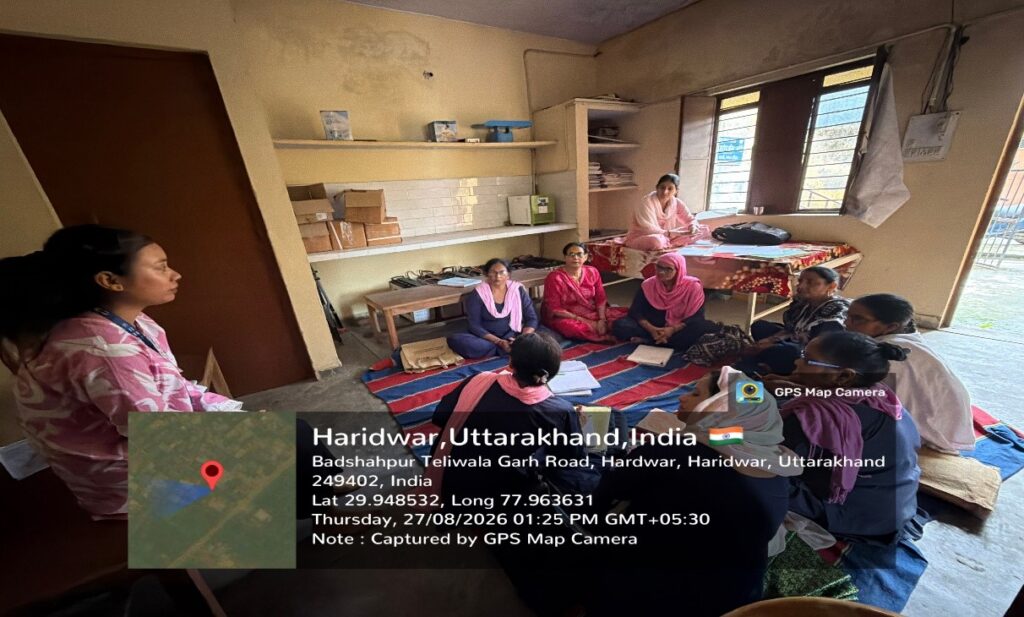
The programme places particular emphasis on three critical conditions associated with adverse maternal and newborn outcomes: Pregnancy-Induced Hypertension (PIH), Gestational Diabetes Mellitus (GDM) and severe anaemia (haemoglobin below 7 g/dL). Among the 566 identified HRPs, two maternal deaths, two stillbirths and two neonatal deaths within the first seven days were recorded. Review of these cases indicated the presence of one or more of these three conditions, sometimes accompanied by additional risk factors, including previous caesarean section, multiparity and primigravida status. Notably, both stillbirth cases involved more than three risk factors and a history of previous stillbirth. These findings reinforce the importance of early identification, close monitoring and timely clinical intervention.
A major component of the SANKALP Initiative is its dedicated digital application, developed around four essential functions: Tracing, Tracking, Testing and Treatment of High-Risk Pregnancies. The application facilitates systematic identification and monitoring of pregnant women through frontline health workers and healthcare facilities. A dedicated call-centre mechanism further strengthens this process by directly contacting pregnant women, verifying their health status, updating pregnancy-related information and coordinating follow-up with the respective ANMs and ASHAs.A major component of the SANKALP Initiative is its dedicated digital application, developed around four essential functions: Tracing, Tracking, Testing and Treatment of High-Risk Pregnancies. The application facilitates systematic identification and monitoring of pregnant women through frontline health workers and healthcare facilities. A dedicated call-centre mechanism further strengthens this process by directly contacting pregnant women, verifying their health status, updating pregnancy-related information and coordinating follow-up with the respective ANMs and ASHAs.
The call centre also serves as a coordination platform between pregnant women, ASHAs, ANMs, Community Health Officers (CHOs) and health facilities. Based on the identified risk category, women are prioritised for appropriate follow-up, investigations, counselling and referral. This coordinated approach enables frontline workers to act on identified complications, ensure continuity of treatment and facilitate timely clinical decisions. Monthly HRP lists are also shared with the Chief Medical Officer, Haridwar, and respective Medical Officers In-charge (MOICs) to strengthen district-level monitoring, review and accountability.
Over the last six months, the digital application has undergone several modifications to improve its user-friendliness, functionality and outcome orientation. Importantly, it enables continuous tracking of pregnant women from the initial identification of risk through pregnancy, childbirth and up to 42 days after delivery, ensuring continuity of care for both mother and newborn.
The SANKALP experience reinforces an important principle: early detection must translate into timely action. By connecting communities, frontline workers, healthcare facilities and district-level monitoring systems, the initiative is working towards transforming high-risk pregnancies into safely managed pregnancies, reducing preventable complications and ensuring healthier outcomes for mothers and newborns.