
“From campus initiatives to community outreach in the Himalayas, SRHU-HIHT celebrated World Environment Day 2026 by promoting climate action, water conservation, and sustainable living practices for a greener future.”
World Environment Day 2026 was observed by Swami Rama Himalayan University (SRHU) and Himalayan Institute Hospital Trust (HIHT) through a series of sustainability-focused initiatives aimed at promoting environmental responsibility, climate resilience, and community engagement. Guided by the theme “Inspired by Nature. For Climate. For Our Future.”, the programme highlighted the urgent need to conserve natural resources and adopt environmentally responsible practices for a sustainable future.
Environmental challenges are intensifying across the globe. According to the United Nations, nearly 40% of the world’s land is degraded, affecting almost half of humanity, while climate-related disasters have increased significantly over recent decades. The Himalayan region, often referred to as the “Water Tower of Asia,” provides freshwater resources to nearly two billion people. However, changing rainfall patterns, rising temperatures, and glacier retreat are increasingly threatening water security, biodiversity, and livelihoods across mountain ecosystems.
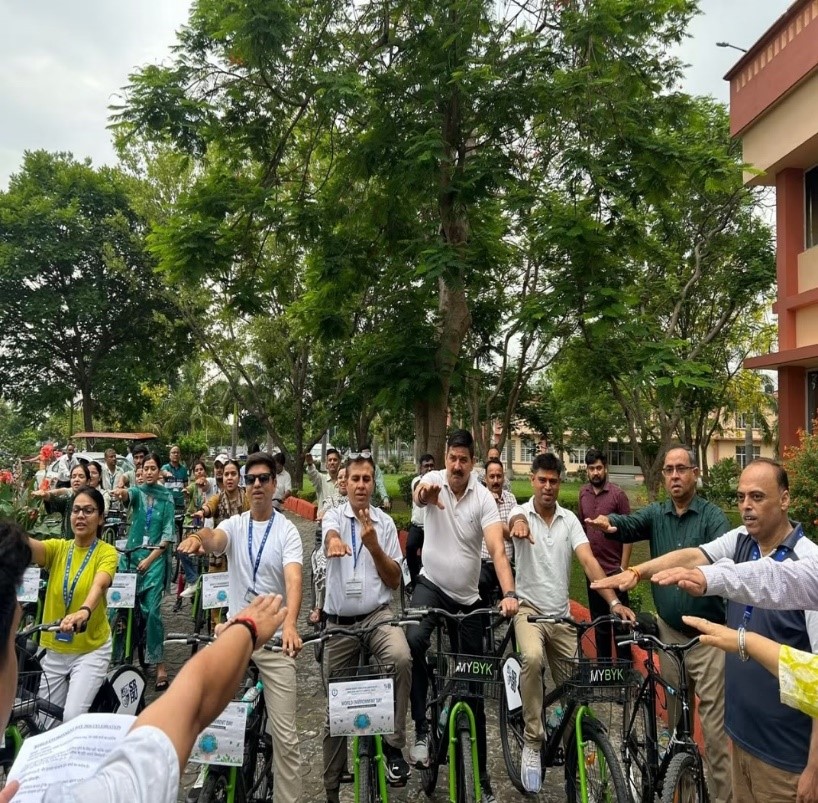
Recognizing these challenges, SRHU-HIHT organized a range of awareness and action-oriented activities in the campus, including a Bicycle Rally, Green Pledge Ceremony, Water Conservation Campaign, Rainwater Harvesting Demonstration, Plantation Drive, Plastic Waste Reuse Activities, and Energy-Saving Awareness Programmes. These initiatives encouraged students, faculty members, staff, and visitors to actively participate in environmental stewardship while demonstrating practical solutions for sustainable resource management.
The programmes emphasized that environmental sustainability begins with individual action. Simple practices such as reducing single-use plastics, conserving water, adopting energy-efficient habits, and promoting sustainable mobility can collectively make a significant contribution toward climate mitigation and resource conservation. With global water demand projected to rise substantially in the coming decades, water conservation and rainwater harvesting have become critical strategies for building climate resilience and ensuring future water security.
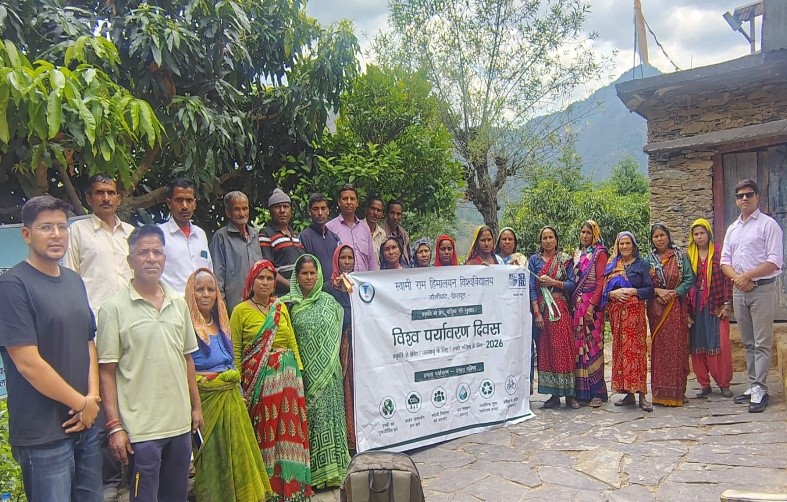
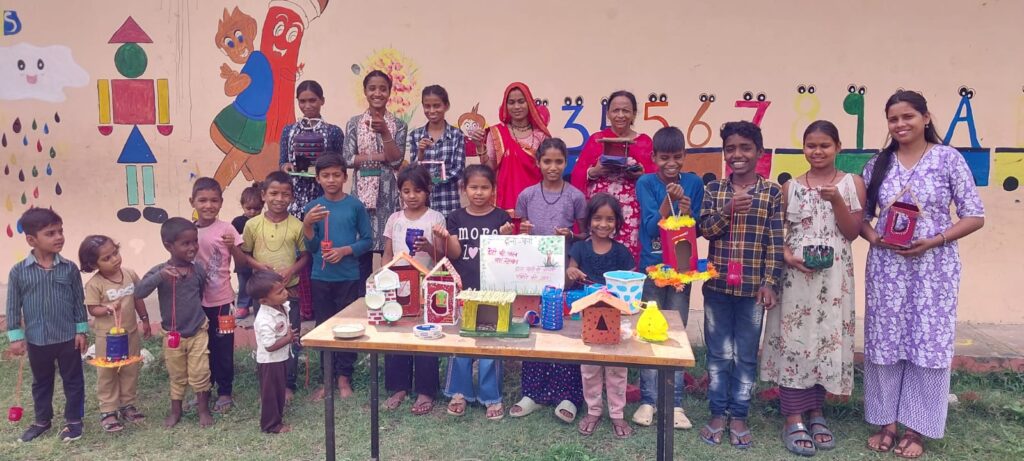
An important component of the celebration was the promotion of environmental sustainability through community-driven initiatives across Uttarakhand. In seven villages of Gairsain Block, Chamoli, and nearby schools, awareness programmes engaged around 375 participants through community meetings, student interactions, and environmental pledges focusing on conservation, climate resilience, waste management, and sustainable living practices. In Haridwar, adolescents decorated flower pots while women transformed waste cloth into reusable bags, promoting recycling and responsible consumption. Additionally, a Plastic-Free Campaign in Prateet Nagar encouraged villagers to reduce polythene use and adopt sustainable practices, reinforcing the spirit of community-led environmental conservation for a cleaner and greener future.
The programme also acknowledged the invaluable contribution of mountain communities in safeguarding natural resources. In particular, women in Himalayan villages play an important role in managing water resources, protecting forests, and preserving traditional ecological knowledge. Their participation remains vital for strengthening community resilience and promoting sustainable development in fragile mountain ecosystems.
Looking ahead, nature-based solutions such as afforestation, aquifer management, spring rejuvenation, rainwater harvesting, and plastic waste reduction will play a crucial role in addressing environmental challenges. These interventions not only enhance biodiversity and groundwater recharge but also improve ecosystem health, strengthen water security, and support sustainable livelihoods.
The collective efforts undertaken during World Environment Day 2026 reaffirmed SRHU-HIHT’s commitment to environmental sustainability, community engagement, and climate-conscious development. More importantly, the event served as a reminder that protecting nature is not merely an environmental responsibility but a prerequisite for human well-being, economic prosperity, and social resilience. As we look to the future, building a greener and more sustainable world will require informed citizens, empowered communities, and institutions willing to lead by example. Inspired by nature and driven by collective action, we can create a climate-resilient future that safeguards our environment and ensures a better quality of life for generations to come.